Legal Aspects of Automatic Writing: When Letters Are Accepted in Courts
Connect with Loved Ones
Receive an authentic and comforting automatic writing letter from your loved one. Our team of experienced mediums is ready to help you on this spiritual journey.
Request My Automatic Writing LetterLegal Aspects of Automatic Writing: When Letters Are Accepted in Courts
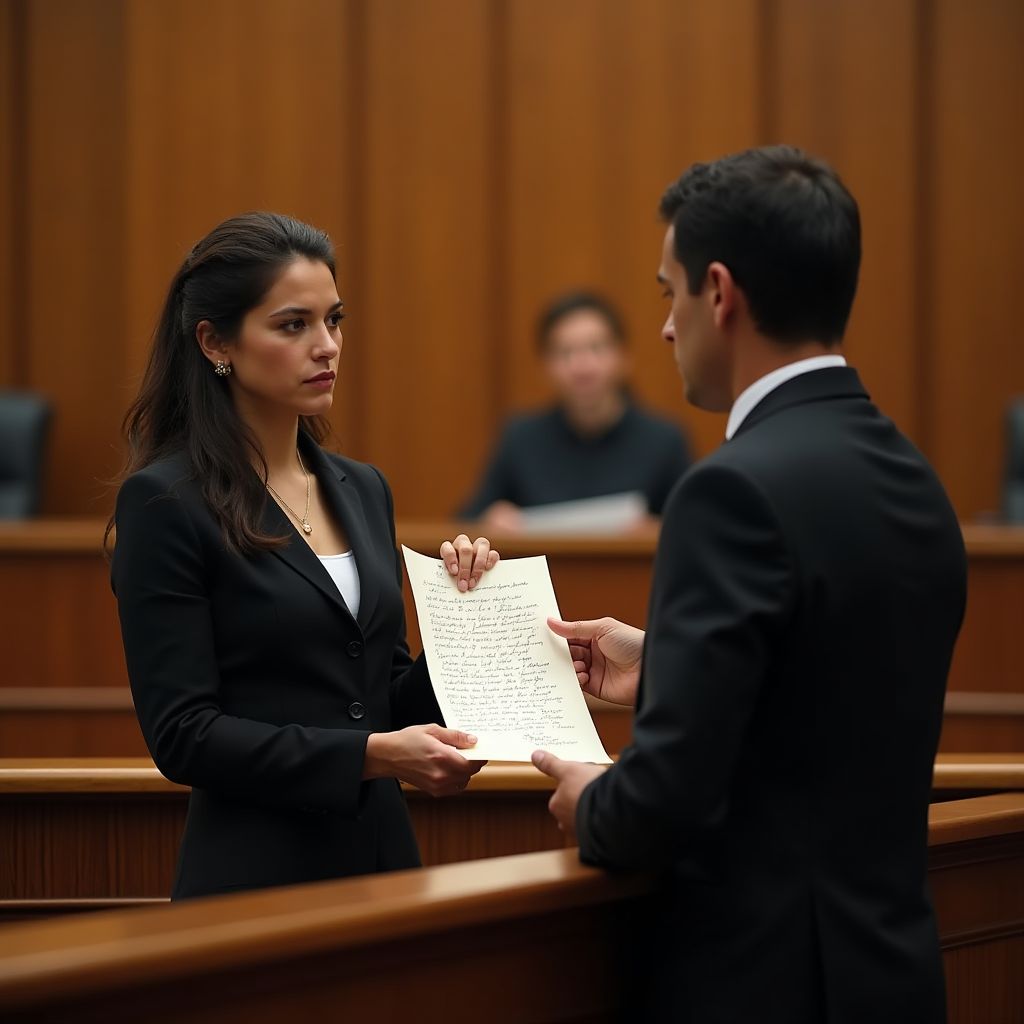
Brazil is one of the few countries in the world where automatic writing letters have already been accepted as evidence in legal proceedings. This legal peculiarity reflects not only the prevalence of Spiritism in Brazilian culture but also the legal system's openness to atypical evidence when properly presented.
In this complete guide, you will understand the legal foundations that allow the use of automatic writing letters in courts, learn about the most important historical precedents, and discover how Brazilian law balances science, faith, and justice in this complex and fascinating issue.
Constitutional and Legal Foundations
The possibility of using automatic writing letters in Brazilian legal proceedings is grounded in several legal principles.
Federal Constitution and Religious Freedom
The 1988 Federal Constitution establishes fundamental bases:
Article 5, item VI:
"Freedom of conscience and belief is inviolable, the free exercise of religious cults being ensured and, under the terms of the law, the protection of places of worship and their liturgies is guaranteed."
Legal implications:
- Constitutional protection for Spiritist and mediumistic practice
- Impossibility of discrimination based on religious beliefs
- Right to express spiritual convictions, including judicially
- Recognition of Brazilian religious diversity
This principle ensures that testimonies and evidence based on religious beliefs cannot be automatically discarded merely due to their spiritual nature.
Civil Procedure Code and Atypical Evidence
The Brazilian procedural system allows evidentiary flexibility:
Article 369 of the CPC (2015):
"The parties have the right to employ all legal means, as well as those morally legitimate, even if not specified in this Code, to prove the truth of the facts on which the claim or defense is based and effectively influence the judge's conviction."
Interpretation:
- Allows the use of "atypical evidence" not expressly foreseen
- Spirit-Written letters can fit into this category
- The judge has broad freedom to value the evidence presented
- There is no specific legal prohibition on the use of mediumistic evidence
Judge's Free Motivated Conviction
The Brazilian judiciary system adopts the principle of free motivated conviction:
Characteristics:
- The judge is not bound by a rigid hierarchy of evidence
- Can value evidence according to personal conviction
- Must properly substantiate decisions
- Analyzes the evidentiary set, not isolated evidence
Implication for automatic writing letters: A judge may, in their analysis, consider a automatic writing letter as an evidentiary element if they understand that it contributes to forming their conviction about the facts of the process.
To better understand the phenomenon, read about what is automatic writing and its manifestations.
Historical Precedents of Acceptance
Brazilian legal history records notable cases where automatic writing letters were accepted in courts.
The Gleide Maria Denardi Case (1976): The Historical Landmark
This is the most famous and significant precedent in Brazilian justice involving automatic writing.
Case context:
- Goiânia, Goiás, 1976
- José Divino Nunes accused of murdering his girlfriend Gleide Maria Denardi
- Circumstantial evidence pointed to José Divino as a suspect
- Defense in a difficult situation, with possible imminent conviction
The automatic writing letter:
- Spirit-Written by Chico Xavier in Uberaba, MG
- Attributed to the spirit of Gleide Maria herself
- Content explicitly exonerated José Divino
- Contained specific information about the circumstances of death
- Provided details that only the victim could know
Technical analysis:
- Graphotechnical expertise performed by a specialist
- Comparison with samples of Gleide's writing in life
- Identification of 14 points of significant convergence
- Technical report favorable to the similarity of writings
Judicial decision:
- Judge Orimar de Bastos admitted the letter as evidence
- Based decision on the system of atypical evidence
- José Divino Nunes was acquitted
- Precedent established for future cases
Learn more details about famous automatic writing letters and their impact.
The Henrique Segato Case (1982)
Another significant case occurred in São Paulo.
Context:
- Henrique Segato died in controversial circumstances
- There were suspicions of homicide involving family members
- Investigation could not completely clarify the facts
- Family requested a automatic writing letter from Chico Xavier
The letter and its consequences:
- Letter clarified circumstances of death
- Exonerated people who were under suspicion
- Provided information that redirected the investigation
- Contributed to the archiving of the inquiry
Legal impact:
- Reinforced the Gleide Maria precedent
- Demonstrated utility of letters even outside formal trial
- Influenced the Public Prosecutor's analysis of the case
Other Documented Cases
Several other cases, with less media repercussion, also involved automatic writing letters:
Traffic accident cases:
- Letters clarifying circumstances of accidents
- Helping to determine responsibilities
- Bringing versions different from material witnesses
Patrimonial dispute cases:
- Spiritual wills (more controversial value)
- Clarifications on the deceased's wishes
- Generally not accepted as main evidence, but considered
Disappearance cases:
- Letters indicating location of bodies
- Information subsequently confirmed
- Assisting in police investigations
Requirements for Judicial Admissibility
For a automatic writing letter to be admitted in a legal process, several requirements must be observed.
1. Pertinence and Relevance
The letter must be relevant to the case:
- Contain information related to the facts under discussion
- Contribute to clarifying controversial points
- Not be merely emotional or generic
- Present verifiable elements
2. Graphotechnical Analysis
Especially important when the letter is handwritten:
Technical procedures:
- Expertise by official or private graphotechnical expert
- Comparison with authentic samples of the deceased
- Analysis of individualizing characteristics of writing
- Reasoned and detailed technical report
Analyzed elements:
- Trace pressure
- Inclination and proportion of letters
- Spacing and alignments
- Attack and finish points
- Individual characteristics (hooks, loops, accentuation)
Learn more about criteria for authenticity of automatic writing letters.
3. Medium's Credibility
The medium's history is considered:
Evaluated factors:
- Reputation and moral suitability
- History of mediumistic work
- Absence of proven fraud
- Gratuitousness or ethical values charged
- Transparent methodology
In the case of Chico Xavier:
- Unblemished reputation for over 70 years
- Never charged for mediumistic services
- Never sued for fraud
- National and international recognition
Know the story of Chico Xavier and automatic writing.
4. Absence of Evident Fraud
The judge will evaluate signs of possible fraud:
Warning signs:
- Did the medium have prior access to case information?
- Is content very generic or applicable to any situation?
- Are there financial or personal interests involved?
- Contradictions with proven facts?
5. Corroboration with Other Evidence
Spirit-Written letters are rarely accepted in isolation:
Need for evidentiary set:
- Information in the letter confirmed by other evidence
- Testimonies corroborating elements of the letter
- Technical expertise validating aspects of the letter
- Coherence with the general context of the case
Legal Limits and Restrictions
Despite precedents of acceptance, there are important limitations.
What Automatic Writing Letters CANNOT Do
1. Substitute essential material evidence:
- Do not replace DNA tests, autopsy, etc.
- Do not make up for absence of fundamental physical evidence
- Are complementary elements, not exclusive
2. Determine guilt or innocence alone:
- Never the only evidence considered
- Must be part of a robust evidentiary set
- Do not have absolute or definitive weight
3. Establish future facts:
- Not accepted to predict events
- Cannot determine future destinies or wills
- Focus on clarification of past facts
4. Have value in wills:
- Extremely controversial as "spiritual will"
- Generally not accepted for disposition of assets
- Can be considered only as indicative of will, never as valid legal document
Areas of Greater Judicial Resistance
Some types of cases find more resistance:
Complex civil cases:
- Patrimonial disputes
- Contractual issues
- Property rights
Serious crimes with severe penalties:
- Judges tend to require more robust evidence
- Greater caution in convictions based on atypical evidence
- More restricted application of benefit of the doubt
Cases with high media exposure:
- Public pressure can influence decisions
- Greater scrutiny on unconventional evidence
- Risk of controversial precedents
Legal and Ethical Debates
The acceptance of automatic writing letters generates intense debates in the Brazilian legal environment.
Arguments Favoring Acceptance
1. Principle of broad defense:
- Party has the right to present all possible evidence
- Prior limitation would violate constitutional right
- Judge must analyze, not censor in advance
2. System of free conviction:
- Judge has autonomy to value evidence
- Law should not determine what can convince the judge
- Valuation is part of judicial office
3. Material justice:
- Goal of the process is to reach the truth
- Elements that can clarify facts should not be discarded
- Public interest in fair resolution of cases
4. Religious pluralism:
- Respect for diversity of beliefs
- State should not judge matters of faith
- Discriminating against automatic writing letters would be religious discrimination
Arguments Against Acceptance
1. Absence of scientific proof:
- Phenomenon is not scientifically proven
- Based on belief, not objective fact
- Judicial system must be based on verifiable evidence
2. Risk of fraud:
- Difficult to verify genuine authenticity
- Vulnerability of grieving people
- Possibility of manipulation of evidence
3. Legal insecurity:
- Precedents can open door to abuse
- Lack of clear objective criteria
- Difficulty in jurisprudential standardization
4. Separation between State and religion:
- Secular state should not validate religious practices
- Justice must be secular and rational
- Acceptance would privilege certain beliefs
International Panorama
How do other countries treat the issue?
United States
- Legal system generally does not accept mediumistic evidence
- "Hearsay rule" prevents admission
- Extremely rare and controversial cases
- Higher prevalence in extrajudicial contexts
Europe
England:
- Tradition of psychic research, but judicial resistance
- Society for Psychical Research studies phenomena
- Rarely admitted in courts
Traditional Catholic countries:
- Generally greater resistance
- Lower prevalence of organized mediumship
- Absence of significant precedents
Latin America
Argentina:
- Significant Spiritist presence
- Some cases of judicial discussion
- Lower formal acceptance than in Brazil
Other countries:
- Brazil is exception, not rule
- Unique Brazilian Spiritist tradition
- Brazilian precedents not widely replicated
Practical Procedures for Judicial Use
If you are involved in a case where you consider using a automatic writing letter, understand the procedures.
Step 1: Obtaining the Letter
Ethical procedures:
- Seek medium of established reputation
- Keep record of obtaining process
- Document date, place, and circumstances
- If possible, have suitable witnesses
Know where to find automatic writing letters reliable.
Step 2: Technical Analysis
Necessary measures:
- Hire graphotechnical expert if letter is handwritten
- Gather writing samples of the deceased
- Obtain detailed technical report
- Document entire chain of custody
Step 3: Legal Consultation
Professional guidance:
- Consult specialized lawyer
- Evaluate feasibility in specific context of the case
- Understand risks and benefits of use
- Prepare adequate legal reasoning
Step 4: Presentation in the Process
Procedural strategy:
- Base on art. 369 of CPC
- Attach technical reports and opinions
- Demonstrate relevance to the case
- Contextualize within evidentiary set
- Prepare for questioning and challenges
Step 5: Defense of Admissibility
Legal argumentation:
- Cite favorable precedents
- Demonstrate absence of legal prohibition
- Argue constitutional religious freedom
- Emphasize judge's free motivated conviction
Ethical Aspects and Responsibility
The use of automatic writing letters in legal contexts involves serious ethical responsibilities.
Responsibility of Mediums
Ethical duties:
- Absolute honesty about the process
- Do not fabricate or manipulate messages
- Refuse to participate in fraud
- Maintain appropriate confidentiality
- Do not make promises or guarantees
Responsibility of Lawyers
Professional obligations:
- Procedural good faith
- Do not present knowingly false evidence
- Advise clients on reality of expectations
- Respect professional ethics
Responsibility of Families
Necessary precautions:
- Do not pressure mediums for specific results
- Do not provide information that contaminates the process
- Seek adequate legal guidance
- Maintain realistic expectations
Frequently Asked Questions
Do automatic writing letters have the same value as other evidence?
No. Although they can be admitted, they generally have lower probative value than direct material evidence. They are complementary elements that must be corroborated by other evidence.
Is any judge obliged to accept a automatic writing letter as evidence?
No. The judge has autonomy to decide on admissibility and probative value. They can refuse the evidence if they understand it is not relevant or does not meet necessary requirements.
Can I be prosecuted for presenting a fake automatic writing letter?
Yes. Presenting false evidence in court is a crime of ideological falsehood, provided for in the Brazilian Penal Code, with a penalty of up to five years in prison.
Can automatic writing letters be used in any type of lawsuit?
Theoretically yes, but practical acceptance varies greatly depending on the type of process, the severity of the case, and the magistrate's stance. They are more common in defensive criminal proceedings.
Do I need to inform the medium about the lawsuit?
Ethically, the medium should not know details of the process to avoid contamination of the message. The letter must be obtained naturally, without specific direction.
Can automatic writing letters after judgment reopen cases?
Potentially yes, through criminal review (in case of convictions) or rescissory action (in civil cases), but only if they bring relevant and verifiable new facts.
Conclusion
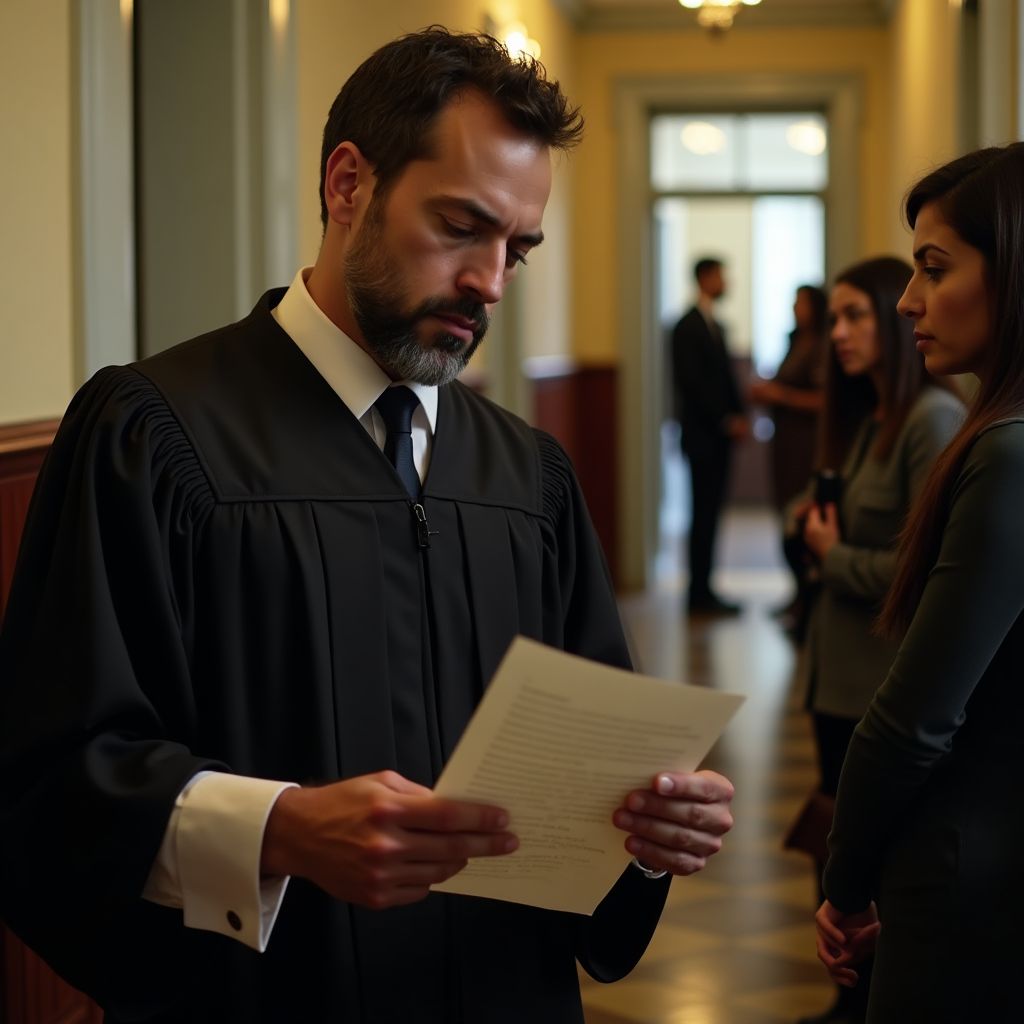
The legal aspects of automatic writing in Brazil represent a unique encounter between faith, science, and justice. The legal recognition of automatic writing letters reflects Brazilian cultural peculiarity and the legal system's openness to consider unconventional evidence when properly grounded.
Although controversial, this recognition establishes important precedents and demonstrates that Brazilian law values the search for material truth above dogmatisms, respecting both legal rigor and society's diversity of beliefs.
If you are considering using a automatic writing letter in a legal context, do so responsibly, with adequate professional guidance, and always prioritizing truth and ethics above any other interest.
Seeking comfort and spiritual clarification? Request your automatic writing letter with the certainty that we work with ethics, transparency, and respect for the highest moral and spiritual standards.
This article was prepared based on Brazilian legal precedents and analysis of current legislation. It does not constitute specific legal advice. For concrete legal issues, consult a lawyer. For more information, contact us.
Receive a Message form the Heart
Start your journey of spiritual reconnection. Request your automatic writing letter and receive a message of comfort and love from the spiritual plane.
Request My Automatic Writing Letter